ICDC Concludes Its 2026 Summer Training Program on Cybersecurity & AI Risk Assessments for Organizations
ICDC’s first Summer Training Program was a great success focusing on Cybersecurity & AI Risk Assessments for Organizations. This milestone marks an important step in our commitment to advancing applied cybersecurity education, responsible artificial intelligence adoption, and community-focused capacity building.

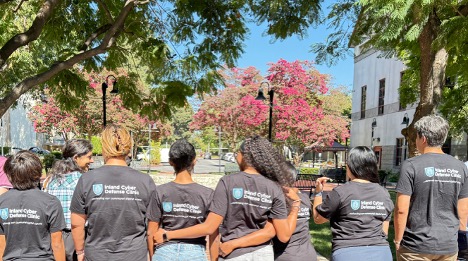
We are especially proud to recognize the student teams who participated in the 2026 program. As the first group to complete this training, they helped establish a strong foundation for future cohorts through their engagement, collaboration, and commitment to applied learning.
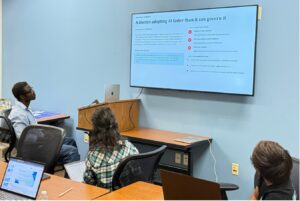
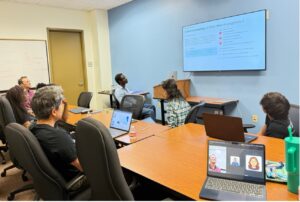
This year’s program was designed to help participants understand how organizations identify, analyze, and manage risks associated with cybersecurity threats and artificial intelligence systems. As nonprofit, community, and other resource-constrained organizations increasingly adopt AI-enabled technologies, they face a growing need to address security, privacy, governance, ethical, and reputational risks in a practical and responsible manner.
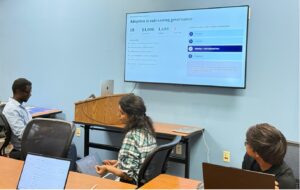
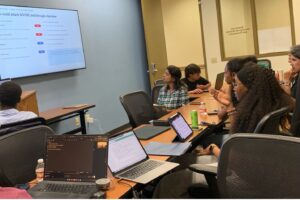
Throughout the training, participants explored established approaches for evaluating technical, operational, and governance risks. The program introduced practical risk assessment frameworks and demonstrated how these frameworks can be applied within different organizational environments. Participants examined vulnerabilities affecting technical systems and AI models while also considering the legal, ethical, policy, and organizational factors that influence risk management decisions.
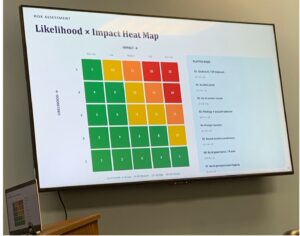
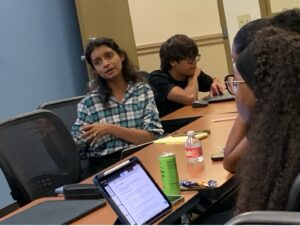
A central component of the program was a clinical, project-based learning experience. Participants conducted supervised cybersecurity and AI risk assessments for real or simulated organizations, allowing them to apply concepts introduced during the training to realistic operational scenarios. This applied approach enabled participants to move beyond theoretical understanding and develop experience identifying risks, evaluating their potential impact, and recommending appropriate mitigation measures.
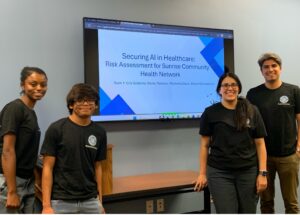
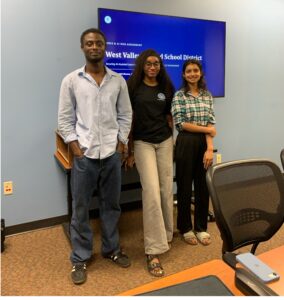
The program placed particular emphasis on the needs of nonprofit and community organizations operating in resource-constrained environments. Participants considered how organizations with limited staffing, funding, technical infrastructure, or specialized expertise can evaluate and manage AI-related risks while continuing to benefit from emerging technologies. The training encouraged participants to develop practical, proportionate, and achievable recommendations that reflect an organization’s mission, resources, and operational priorities.
Participants also learned how to translate complex technical findings into clear and actionable information for decision-makers. Effective cybersecurity and AI governance require more than identifying vulnerabilities; they also require communicating risks in ways that support organizational planning, resource allocation, policy development, and strategic decision-making. Accordingly, the program emphasized professional reporting, stakeholder communication, and the presentation of risk mitigation strategies to both technical and nontechnical audiences.
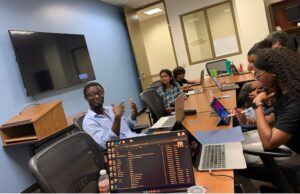
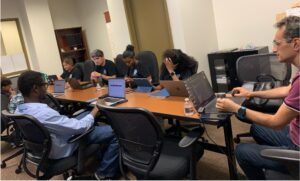
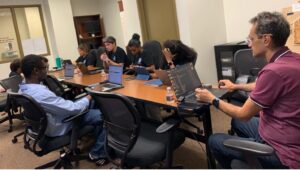
The program’s collaborative structure allowed participants to work across technical, governance, policy, and organizational perspectives. Through facilitated discussions, team-based projects, and supervised assessments, participants developed a broader understanding of how multidisciplinary collaboration contributes to more comprehensive and effective risk management.
We would like to express our sincere appreciation to the program facilitators Dr. Uwaoma, Dr. Bouzari, Dr. Ibrahim, and Ayush for their expertise, leadership, guidance, and commitment throughout the training. Their contributions were instrumental in creating an engaging, rigorous, and professionally relevant learning experience for all participants.
The successful completion of our Summer Training Program reflects ICDC’s ongoing commitment to advancing cybersecurity education, responsible AI adoption, and organizational resilience. By equipping participants with practical assessment skills, professional communication capabilities, and an understanding of both technical and governance risks, the program supports the development of professionals who can help organizations adopt and deploy AI technologies more securely and responsibly.
We thank everyone who contributed to the success of our first training program and congratulate our amazing student teams on this achievement. We look forward to building on this foundation and continuing our work in cybersecurity education, AI risk governance, applied research, and community-focused capacity building.
Share